SDR Solutions
Rebdron provides professional Software-Defined Radio solutions for RF monitoring, signal analysis, development, testing, research, and system integration.
Software-Defined Radio allows radio functions to be implemented and controlled through software, giving engineers and technical teams greater flexibility compared with traditional fixed-function radio hardware.
Our SDR portfolio is suitable for commercial, industrial, laboratory, research, and engineering applications.
What Is Software-Defined Radio?
Software-Defined Radio, or SDR, is a radio communication and signal-processing platform in which many functions are controlled by software rather than fixed analog circuitry.
Depending on the hardware, SDR systems can support wide frequency ranges, configurable bandwidth, multiple channels, digital signal processing, and integration with different software environments.
This makes SDR a flexible tool for organizations that need to monitor, analyze, test, or develop RF systems.
SDR Hardware
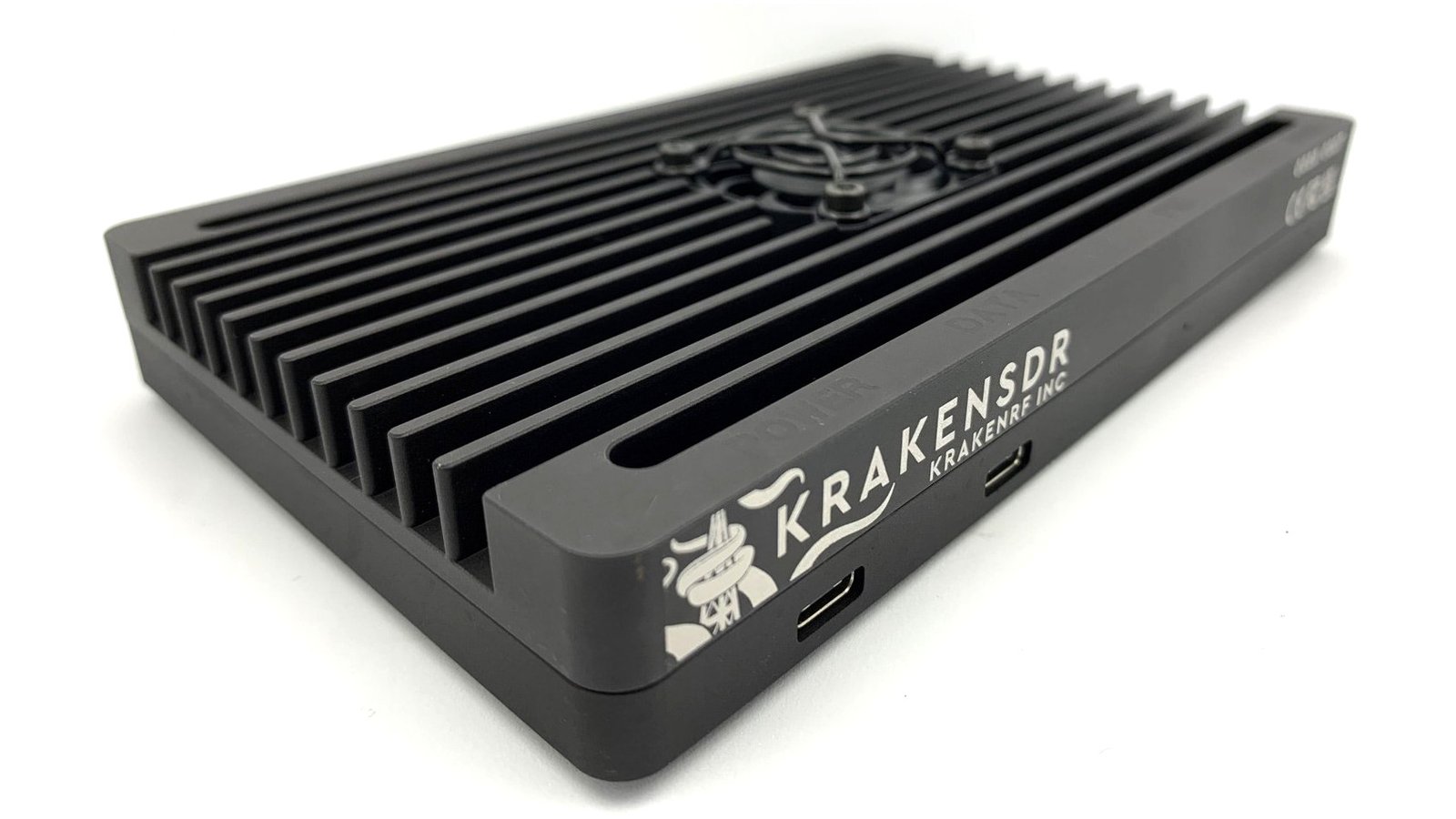
Rebdron supplies SDR platforms and related hardware for a wide range of professional applications.
Available solutions may include:
- SDR transceivers
- SDR receiver platforms
- Development boards
- Multi-channel SDR systems
- USB-connected SDR devices
- Ethernet-connected SDR platforms
- Embedded SDR modules
- RF front-end equipment
- Supporting antennas and accessories
Product selection depends on the required frequency range, bandwidth, number of channels, interface, processing performance, and software compatibility.
RF Monitoring
SDR systems are widely used for monitoring activity across different parts of the radio-frequency spectrum.
Typical applications include:
- Spectrum observation
- Signal detection
- RF environment monitoring
- Frequency occupancy analysis
- Interference identification
- Signal visualization
- Technical diagnostics
- Long-term spectrum logging
These capabilities can help engineering teams better understand the RF environment around a facility or technical system.
Signal Analysis
Software-defined radio allows received signals to be processed and analyzed using specialized software.
Depending on the platform and application, users can examine:
- Signal strength
- Frequency
- Bandwidth
- Modulation characteristics
- Spectrum activity
- Time-domain behavior
- Signal quality
- Interference sources
SDR can therefore be a valuable tool for laboratories, RF engineers, system integrators, and technical support teams.
Development and Research
SDR platforms are particularly useful for prototyping and research because radio functions can be modified through software.
Applications include:
- RF algorithm development
- Communication system prototyping
- Digital signal processing
- Wireless research
- Embedded system development
- RF testing
- Educational laboratories
- Custom monitoring platforms
This flexibility can significantly reduce development time compared with building dedicated radio hardware for every experiment.
Multi-Channel SDR
Some projects require simultaneous monitoring or processing across multiple channels.
Multi-channel SDR platforms can be used for:
- Parallel signal acquisition
- Direction-finding research
- Multi-band monitoring
- Synchronized RF measurements
- Antenna array experiments
- Advanced spectrum analysis
For these applications, synchronization, clocking, channel count, bandwidth, and data interface performance are important selection criteria.
SDR and Antenna Integration
An SDR system depends heavily on the quality and suitability of its antenna and RF path.
Rebdron can help customers select compatible:
- Broadband antennas
- Directional antennas
- Omnidirectional antennas
- RF cables
- Connectors
- Adapters
- Filters
- Splitters
- Amplifiers
- Other RF accessories
Correct antenna and RF component selection helps improve signal quality and overall system performance.
Software Compatibility
Different SDR platforms support different software ecosystems.
Common environments may include:
- GNU Radio
- SDR++
- GQRX
- SoapySDR
- vendor-specific software
- custom applications
- Python-based signal-processing tools
- embedded Linux systems
Before selecting SDR hardware, it is important to confirm compatibility with the intended operating system, driver environment, and software stack.
Choosing the Right SDR Platform
Important parameters can include:
Frequency Range
The lowest and highest frequencies supported by the device.
Bandwidth
The amount of spectrum that can be processed at the same time.
Number of Channels
Single-channel, dual-channel, or multi-channel operation depending on the application.
Sampling Performance
Sample rate and ADC/DAC performance affect the amount and quality of RF data that can be processed.
Interface
USB, Ethernet, PCIe, or embedded interfaces may be required depending on data throughput and system architecture.
Processing Requirements
Some SDR systems perform most processing on a connected computer, while others include onboard FPGA or processor resources.
Professional Applications
Our SDR solutions are suitable for:
- RF engineering teams
- Research laboratories
- Universities and educational institutions
- System integrators
- Electronics developers
- Industrial monitoring
- Wireless system testing
- Spectrum analysis
- Technical diagnostics
- Custom embedded projects
Integrated RF Solutions
Rebdron provides more than standalone SDR devices.
We can help customers build complete RF systems by combining SDR hardware with antennas, cables, RF components, computing platforms, and monitoring software.
Our goal is to provide a practical and compatible solution based on the actual technical requirements of each project.
Need Help Selecting an SDR?
Tell us:
- Required frequency range
- Required bandwidth
- Number of channels
- Receive-only or transceiver requirements
- Preferred interface
- Software environment
- Intended application
- Antenna requirements
Our team can help identify suitable SDR hardware and supporting RF components for your project.
Explore our SDR products or contact Rebdron for technical consultation.